
L-Theanine: A Natural Way to Support Stress Reduction and Improve Mood
Many people are searching for safe, effective, and natural ways to manage stress. While practices like exercise, sleep, and mindfulness form the foundation of good mental health, certain compounds found in everyday foods and beverages are also showing promising benefits. One of these is L-theanine, an amino acid most commonly found in green tea.
What Is L-Theanine?
L-theanine (γ-glutamylethylamide) is a unique amino acid naturally present in tea leaves, particularly in green tea (Camellia sinensis). Unlike protein-building amino acids, L-theanine acts directly on the brain and nervous system, influencing neurotransmitters and brain activity.
Because of this, L-theanine has attracted research interest for its potential to help reduce stress, support relaxation, and even improve mood, without the sedative effects seen in many anti-anxiety medications.
How Does L-Theanine Work?
Studies suggest that L-theanine interacts with several neurotransmitters, including:
- GABA (gamma-aminobutyric acid) – the brain’s main calming chemical, helping to quiet nervous system activity.
- Serotonin – important for mood balance and emotional well-being.
- Dopamine – linked to motivation, pleasure, and reward pathways.
By supporting these neurotransmitters, L-theanine may help lower tension, ease anxious feelings, and promote a calmer state of mind. Importantly, it does this without causing drowsiness, making it very different from many sedative-based treatments.
Where Can You Find L-Theanine?
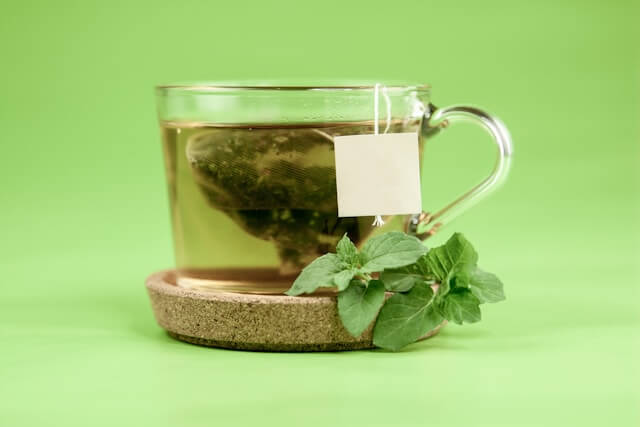
- Green Tea – The richest natural source, with each cup providing roughly 25–60 mg. This is one of the reasons why many people find green tea more calming compared to other caffeinated drinks.
- Supplements – Capsules or tablets provide higher doses used in research studies. These are often standardised, making it easier to reach clinically effective amounts.
What Does the Research Say?
According to a 2019 review published in Pharmacology Research, daily supplementation of 200–400 mg of L-theanine for up to 8 weeks is safe and effective for reducing stress and anxiety in both acute and chronic settings.
Other findings from clinical and pre-clinical studies include:
- Improved sleep quality – particularly through reducing anxious thoughts rather than acting as a sedative.
- Blood pressure regulation – especially in individuals with stress-related spikes.
- Potential mental health benefits – early evidence suggests supportive effects when used alongside conventional treatment for conditions such as major depression and schizophrenia.
That said, researchers note that more long-term studies are needed to fully understand the broader applications of L-theanine, especially beyond the 8-week period most studies examined.
Safe and Effective Dosage
Most clinical studies recommend:
- 200–400 mg per day, for up to 8 weeks.
- This is equivalent to several cups of green tea, though supplements are often used to achieve these higher doses.
Note: While L-theanine is generally well tolerated, always speak with a healthcare professional before starting any new supplement, especially if you have medical conditions or are taking medications.
Key Takeaways
- L-theanine is a naturally occurring amino acid most abundant in green tea.
- It works by supporting calming neurotransmitters like GABA, serotonin, and dopamine.
- Research shows that it can reduce stress and improve mood without drowsiness.
- Safe, effective dosages are 200–400 mg per day for up to 8 weeks.
- More studies are underway, but evidence so far supports its use for stress and anxiety management.
Stress is a reality of modern life, but how we manage it makes a big difference to our long-term health. Lifestyle factors like exercise, sleep, and good nutrition remain the cornerstones of stress management. But natural compounds such as L-theanine may offer an additional layer of support.
If you’re considering supplements, always do so under professional guidance. And if you’re simply looking for a calming daily ritual, a warm cup of green tea may be a great place to start.
Source: Lopes Sakamoto F, Metzker Pereira Ribeiro R, Amador Bueno A, Oliveira Santos H. Psychotropic effects of L-theanine and its clinical properties: From the management of anxiety and stress to a potential use in schizophrenia. Pharmacol Res. 2019 Sep;147:104395. doi: 10.1016/j.phrs.2019.104395. Epub 2019 Aug 11. PMID: 31412272.